
Summer Heat Without Air Conditioning? Preventing Overheating Starts in Front of the Window
More and more often in summer, we have to deal with tropical days. While overheating of interiors used to be mainly a problem for attic apartments, today it affects all spaces, including apartments in new buildings. Many people look for a solution in buying air conditioning, which, however, comes with high energy costs as well as considerable health risks when used improperly. But is there another way to cool a house? The answer is better sought not in dealing with the consequences, but in how to prevent overheating at its very beginning.
What will you learn in this article?
A significant portion of heat enters the interior through windows
Heat gain through glazed surfaces is one of the main causes of building overheating in summer. How much solar energy passes through a window into the interior is determined by the so-called solar heat gain coefficient (SHGC, g-value), which is a standardized parameter used to evaluate the thermal properties of windows. The measurement methodology and the effect of shading on heat transfer are described, for example, by the Fraunhofer Institute for Building Physics.
Expert quote from Proklimy:
“As soon as sunlight passes through the glass into the interior, it starts heating it up, and the resulting heat then has difficulty escaping back outside. A common misconception is that high-quality facade insulation also protects against high temperatures. The fact is, however, that in summer insulation works the other way around. If the interior heats up during the day, insulation tends to keep that heat inside. That is why insulation alone does not solve the problem. The key is to limit the amount of heat that gets into the house in the first place.”
How to ventilate without overheating your home even more
If we already know that most heat enters the interior through glass, the obvious question is: isn’t it enough to simply ventilate more? This is exactly where the second most common mistake arises. Open windows during a hot day do not cool a space down; on the contrary, they bring even more warm air inside. If it is above 30 °C outside, airflow cannot cool a room that is already at 27 °C. Instead, the temperature will equalize upward. Rather than ventilating randomly, try timing it better.
Our recommendation:
- Ventilate intensively early in the morning before it starts getting warmer outside. Then keep the window completely closed for the rest of the day; do not leave it open even in micro-ventilation mode.
- Once the outdoor temperature drops a little again in the evening, ventilate briefly or create strong cross-ventilation between opposite sides of the house to quickly exchange air and cool down the structures.
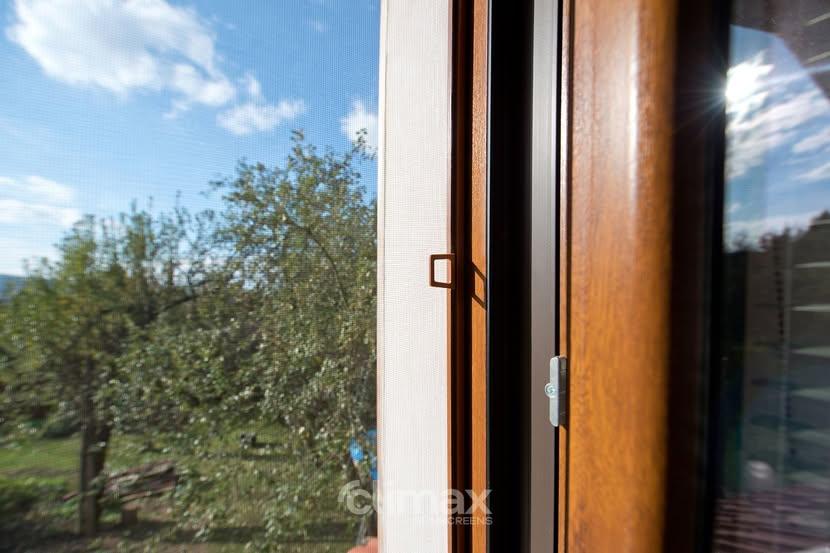
- At night, you can leave the window slightly ajar. As protection against insects, you can use insect screens, which can be installed in both windows and balcony doors.
- Keep windows closed during the day and lower the shading at the same time.
Effective thermal regulation starts in front of the window
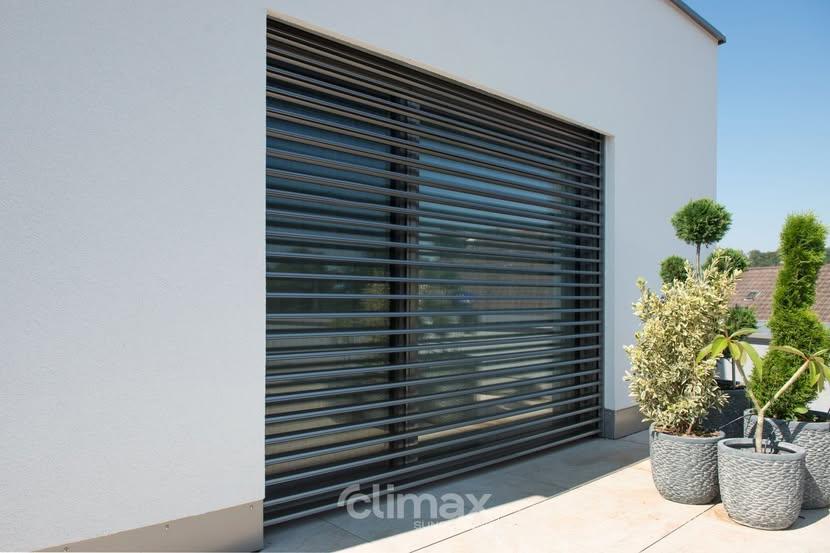
Proper ventilation can help a little, but if it is hot outside even at night, it is not enough on its own. The most effective weapon against indoor overheating is exterior shading, meaning exterior blinds or roller shutters. While ventilation and air conditioning deal with the consequences, exterior shading works as prevention. It simply prevents heat from entering the interior and significantly reduces overheating.
According to expert analyses by the European Solar Shading Organisation, external shading belongs among the most effective ways to prevent buildings from overheating in summer. It stops sunlight before it reaches the glass, significantly reducing the thermal load on the interior as well as the need for air conditioning. The exact temperature reduction cannot be universally defined, because it depends on window orientation, the size of glazed surfaces, and other factors. In practice, however, it has been shown that the difference compared to an unshaded space can reach as much as around 6 to 10 °C.
What about conventional interior blinds or curtains?
In practice, we sometimes come across the opinion that if interior blinds or curtains protect against sunlight, they must also somehow reduce indoor temperature. There really is some effect, but compared to exterior shading, it is negligible. You can find an approximate comparison of individual types of shading technology in the following table.
When should you inquire about installation?
Feel free to contact us today!
If you are considering exterior shading, spring is the ideal time to inquire about a solution. The installation season is just beginning, so it pays to address shading in advance to ensure everything is ready before the first summer heatwaves. The good news is that exterior blinds or roller shutters can also be installed afterwards on a finished house or apartment without major intervention into the facade. Get in touch with us and we will be happy to discuss tailored shading options for your house or apartment.
Non-binding inquiry